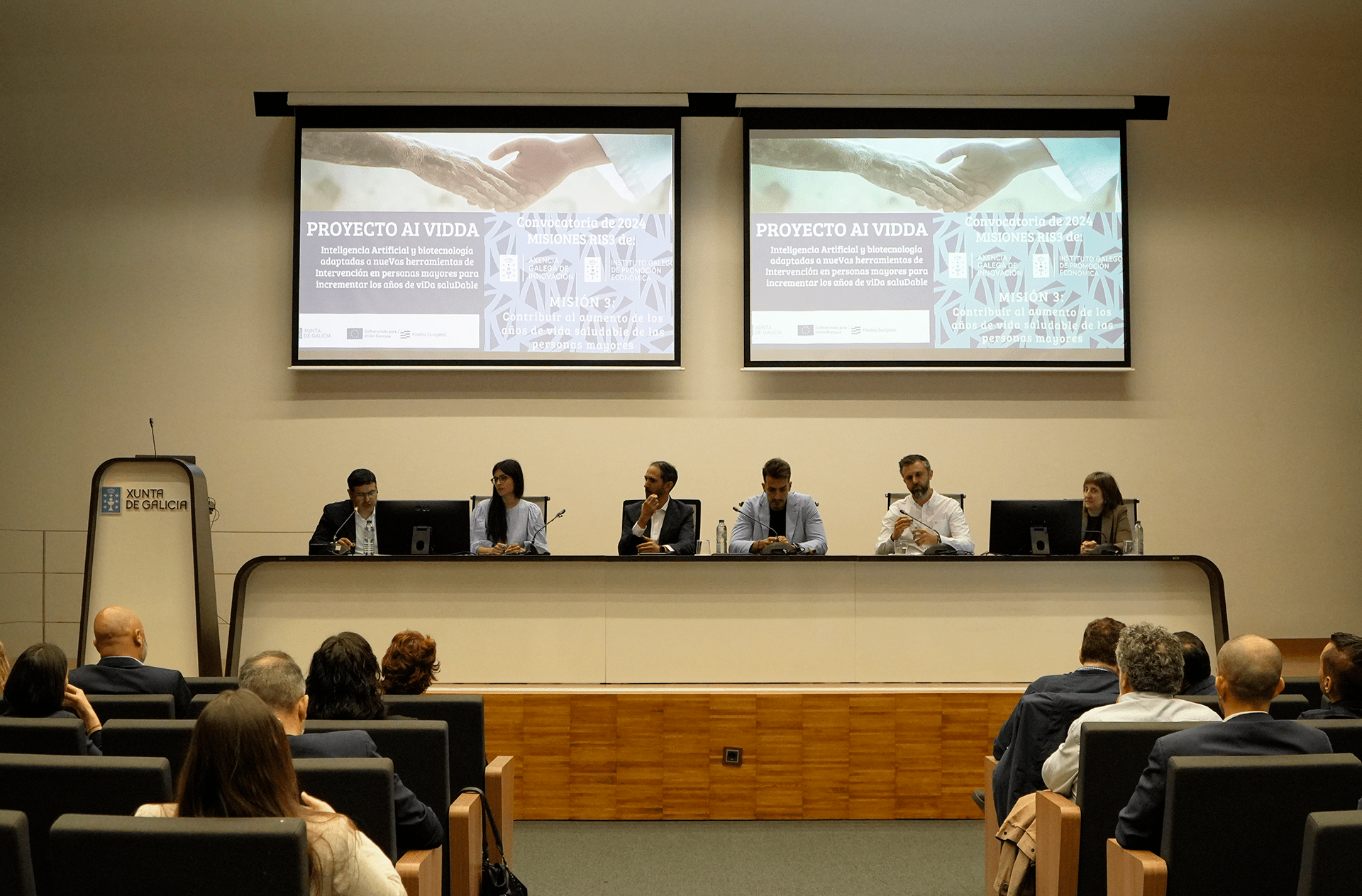
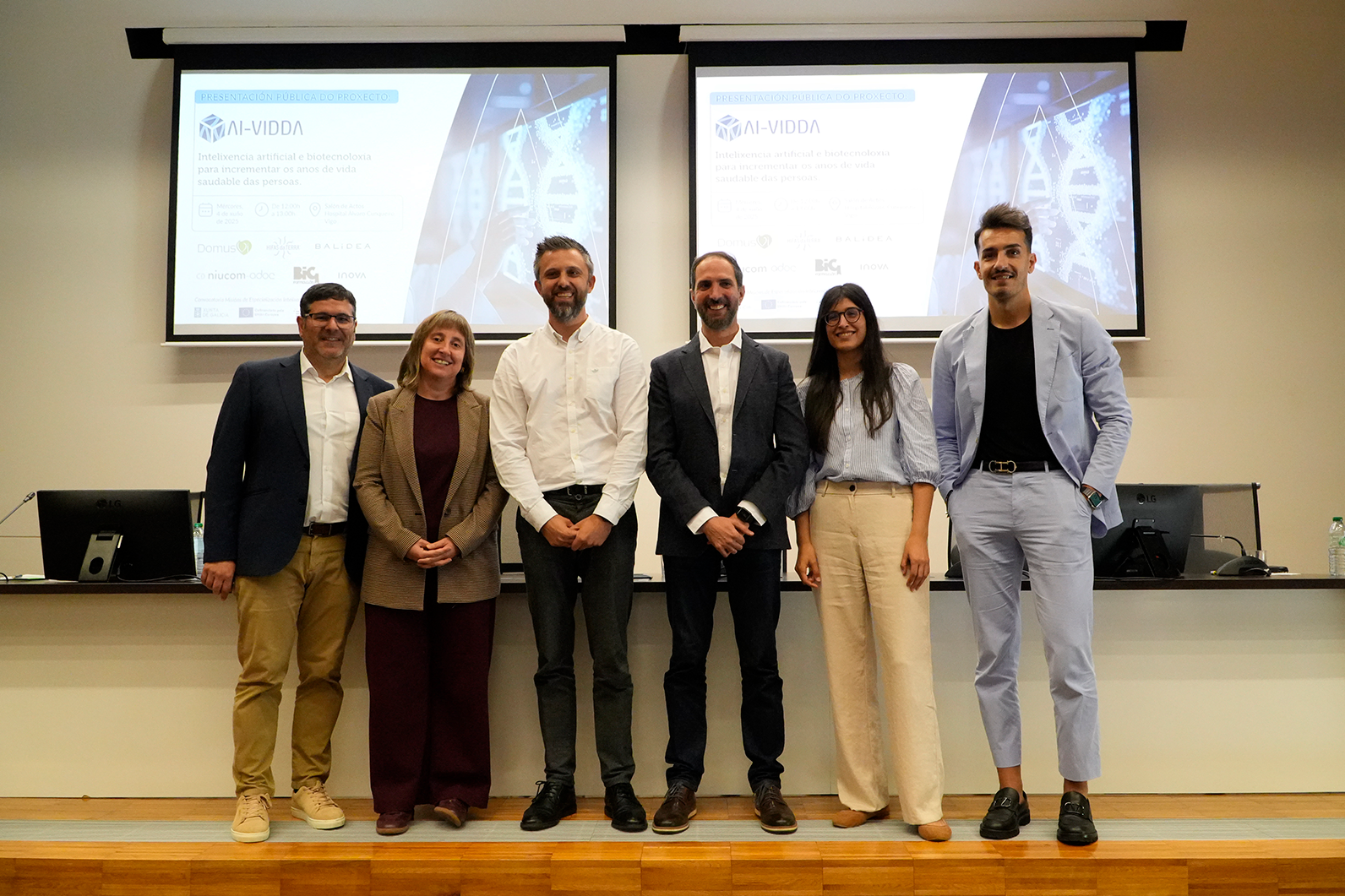
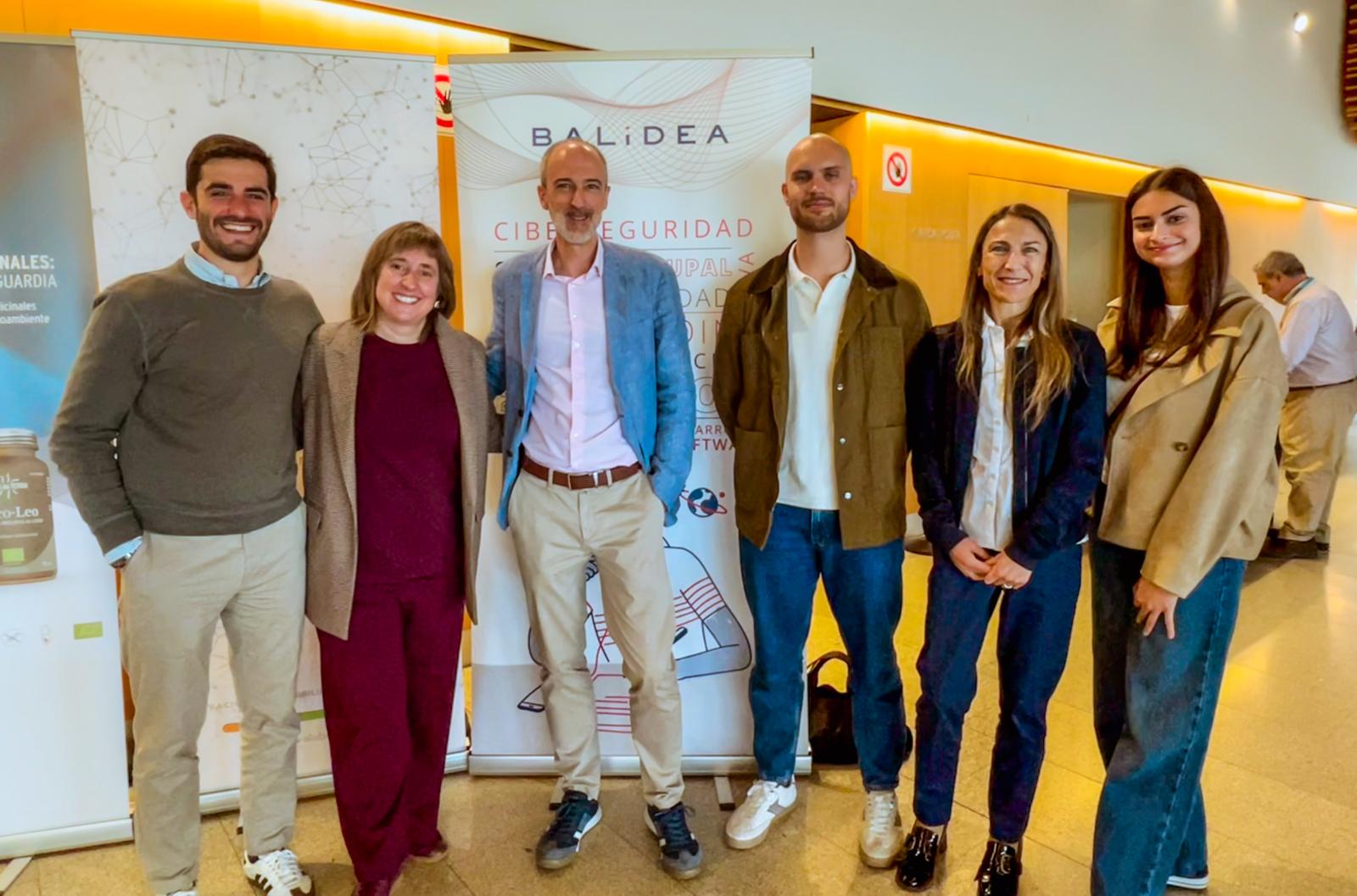
The Álvaro Cunqueiro Hospital in Vigo hosted the official launch of AI-VIDDA, an applied research project initiated by six Galician companies that aims to enhance the quality of life of older individuals through technology and biotechnology.
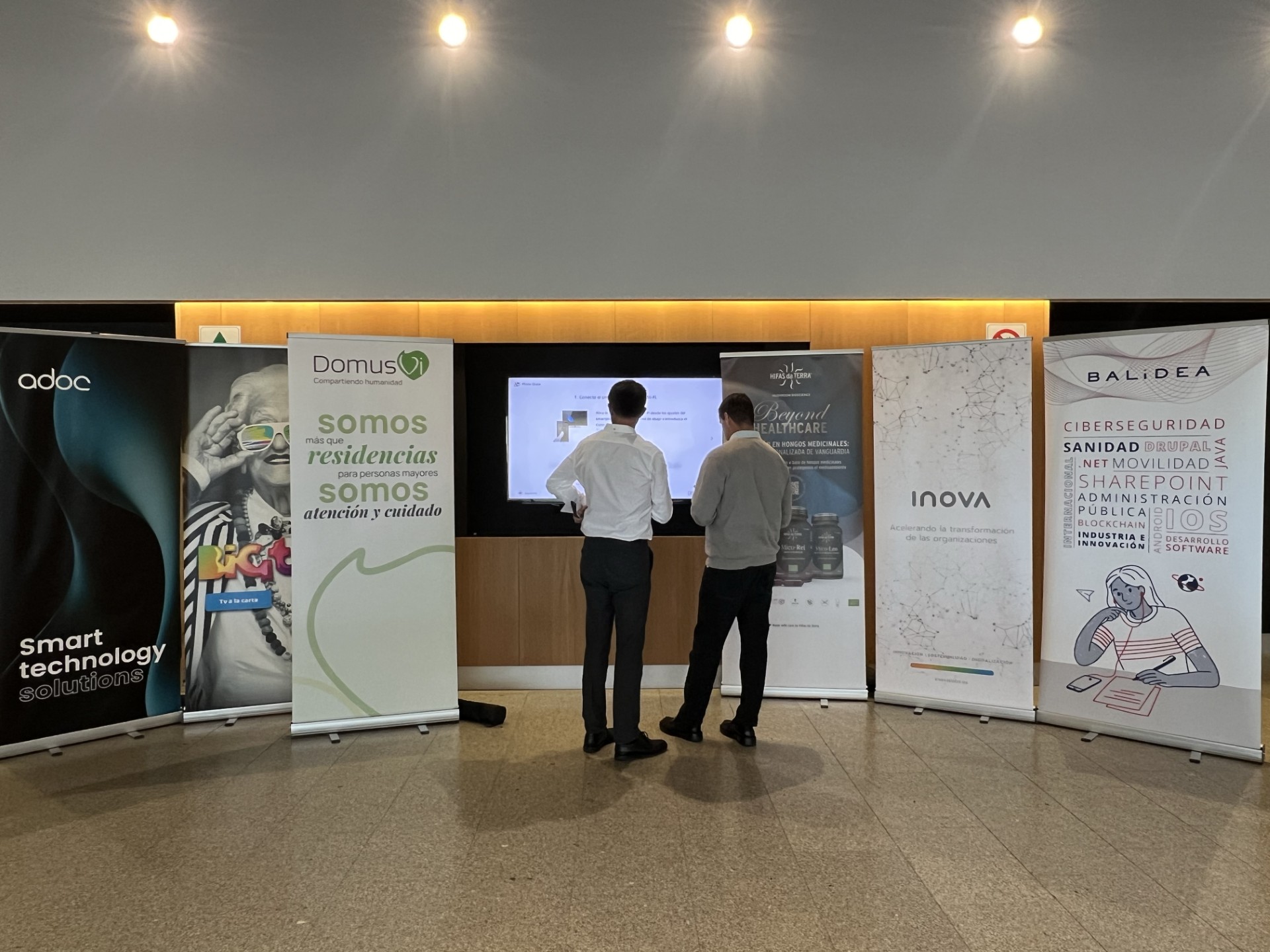
The consortium comprises the following entities, each of which contributes its expertise in areas such as social and health care, artificial intelligence, nutrition, device manufacturing, and data analysis: DomusVi, Balidea, ADOC, BiG Formación, Inova, and Hifas da Terra.
AI-VIDDA is funded by the Regional Government of Galicia and the European Union through the Feder Galicia 2021–27 operational programme. As part of Galicia's Smart Specialisation Missions, it is a bold, strategic project that addresses the needs of an ageing population.
On Tuesday, the Álvaro Cunqueiro Hospital in Vigo hosted the official launch of the AI-VIDDA project, a collaborative research initiative involving six Galician companies. The project's overarching goal is to develop technological and biotechnological solutions that enhance the quality of life of older individuals, with a particular focus on promoting independence and extending healthy life expectancy.
The AI-VIDDA consortium comprises DomusVi (the project leader), Balidea, ADOC, BiG Formación, Inova and Hifas da Terra. These companies each contribute their expertise in areas such as social and healthcare, artificial intelligence, nutrition, device manufacturing, data analysis and digital transformation. AI-VIDDA forms part of Galicia's Smart Specialisation Missions and receives funding from the Regional Government of Galicia and the European Union via the Feder Galicia 2021–2027 operational programme.
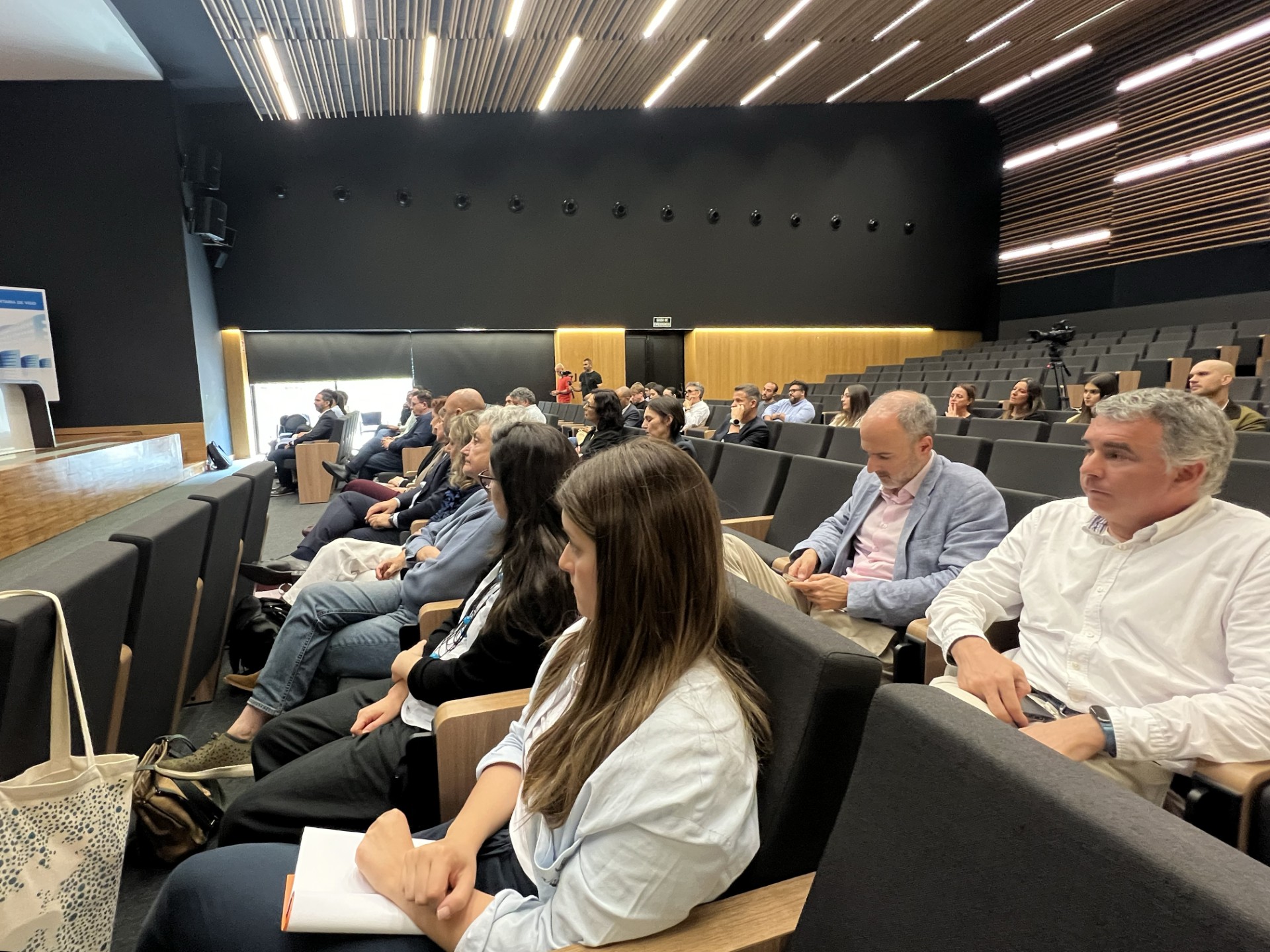
During the event, the importance of creating an economic and social ecosystem that responds to the needs of the elderly population was emphasised. It was noted that many areas of Galicia, which have a particularly large elderly population, still lack resources. Initiatives such as AI-VIDDA aim to provide solutions that allow older people to live more comfortably in their own homes and communities. The commitment of the participating companies was also recognised, in terms of both their involvement and their courage in taking on a project of this scale.
AI-VIDDA researches new technological solutions in areas such as artificial intelligence, nutrition, socialisation, and physical exercise. The aim is to design products and services that will help older people to live independently for longer and enjoy a healthier life.
As the leading company in the consortium, DomusVi emphasised the need for technology to serve person-centred care. 'At DomusVi, we see artificial intelligence as a strategic ally in transforming the care model. It's not just about incorporating technology; it's about using it to promote the maximum well-being and quality of life of dependent people', explained Roberto González Novas, Head of Strategic Innovation at DomusVi and principal investigator at AI-VIDDA. 'This commitment to artificial intelligence forms part of DomusVi's wider strategy to promote innovative, person-centred solutions. The company believes that any technological solution must have a positive impact on the care and quality of life of older people. That is why we promote the development of digital tools that improve services and optimise processes, while never forgetting that people come first', said González Novas.
Balidea, in the words of María del Carmen López Pérez, head of Research, Development and Innovation, ‘is positioned as a leading provider of Artificial Intelligence Agents and digital health transformation’. These are advanced, multilingual agents specialised in the social and healthcare context. With the AI-VIDDA project and in collaboration with the multimedia technologies research group (GTM-atlanTTic) at the University of Vigo, Balidea aims to facilitate user interaction with the digital world through voice. ‘Balidea will develop multilingual conversational agents specialised in social and healthcare contexts, with applications aimed at assessing quality of life, accompanying, following and monitoring elderly people, and predicting care needs based on the analysis of voice interactions.’
For its part, Inova is leading the development of the intelligent model of quality of life and healthy longevity for older people pursued by AI-VIDDA, a model ‘built on objective indicators and backed by scientific evidence’, says Laura Pereira, head of Industry 4.0 and IT at the company. The challenge is ambitious: to convert this scientific-technical framework into an accessible technological tool that, thanks to AI, offers personalised recommendations capable of improving the well-being of older people. 'At Inova, we seek to transform data into useful knowledge that has a real impact on people. It's part of who we are. With AI-VIDDA, we are taking another step forward: we provide scientific rigour, yes, but we also seek to ensure that this data has a more human impact and becomes a tool that is accessible, understandable and focused on people's wellbeing', concludes Pereira.
ADOC is a company dedicated to the design, development, manufacture and marketing of devices. It is currently working on solutions ranging from routers to mobile terminals, touch screens and tablets, adapted to the needs of ageing and the social and healthcare environment.
Similarly, AI VIDDA ONE, developed by BiG Formación, is an innovative technological solution designed to promote personal autonomy, health and wellbeing. It is presented as the first service to integrate a digital content platform and an app accessible from any mobile device, offering a personalised and interactive experience.
This tool responds to the main challenges facing the sector, such as an ageing population, a shortage of human resources, the need for person-centred care, the fight against unwanted loneliness and cognitive stimulation through interactive videos. In addition, AI VIDDA ONE stands out for its ability to optimise resources and reduce costs, positioning itself as a key solution in the current economic climate.
Hifas da Terra focuses its participation in AI-VIDDA on the impact of nutrition on the quality of life of older people, particularly in the prevention of cognitive decline associated with neurodegenerative diseases. With a biotechnology-based approach, the company is collaborating with consortium entities and technology centres to research the active compounds present in medicinal mushroom strains, with a special focus on understanding their mechanisms of action in in vitro models of Alzheimer's disease. The project also includes production improvements, such as the installation of a new 500L bioreactor at its centre in Bora (Pontevedra) for the production of fungal-based nutritional supplements. Finally, in collaboration with the Fundación Biomédica Galicia Sur, Hifas da Terra is preparing a clinical trial with patients with mild cognitive impairment, specifically early-onset Alzheimer's disease, to obtain scientific evidence on the effects of the extracts developed using its own technologies.
AI-VIDDA offers a genuine opportunity to transform how we approach care, support and the experience of ageing. With older people at its core, the project strengthens the commitment of participating companies to responsible innovation and developing solutions that improve the health, independence and well-being of those who need it most.